Ealing Council garden waste rules for Greenford gardeners: a practical local guide
If you garden in Greenford, garden waste is one of those jobs that looks simple until the bags start piling up by the shed. Grass clippings, hedge trimmings, fallen leaves, dead annuals, and the odd soggy load after a windy weekend all need somewhere to go. That is where understanding the Ealing Council garden waste rules for Greenford gardeners really matters. Get it right and your garden stays tidy, your disposal routine stays legal, and you avoid the faff of rejected bins or mess left at the kerb. Get it wrong and, well, you end up staring at a half-full sack of cuttings wondering why the collection team never came. Not ideal.
This guide breaks the whole thing down in plain English. You will find out what counts as garden waste, how collection and disposal usually work, what mistakes to avoid, and how to manage your plot more efficiently through the seasons. There are also a few practical links to useful local services and gardening advice, including garden maintenance support and tips on low-maintenance gardening on a budget, because sometimes the smartest way to deal with waste is to produce less of it in the first place.
Table of Contents
- Why the rules matter in Greenford
- How the system works
- Key benefits and practical advantages
- Who needs this and when it makes sense
- Step-by-step guidance
- Expert tips for better results
- Common mistakes to avoid
- Tools, resources and recommendations
- Law, compliance, standards and best practice
- Options, methods and comparison table
- Case study or real-world example
- Practical checklist
- Conclusion
- Frequently asked questions
Why Ealing Council garden waste rules for Greenford gardeners Matters
Garden waste rules are not just about bin day. They shape how you maintain your garden, how often you prune, and whether you can dispose of waste cleanly without creating a nuisance for neighbours. In a place like Greenford, where many gardens are compact and storage space can be tight, the difference between a good system and a bad one shows up fast. One week of mowing, edging, hedge cutting, and weeding can fill more material than you expect.
There is also a practical trust issue here. Council rules are there to keep collection routes safe, keep waste streams separate, and reduce the chance of contamination. If your garden waste contains the wrong stuff, it may be left behind or treated as general rubbish. That is frustrating, and it usually costs more in time than people think. A mixed bin is a messy bin, simple as that.
For Greenford gardeners, the aim is to make garden upkeep smooth and predictable. If you already work with a gardener, or you are comparing services, it helps to know whether the provider plans waste removal, bagging, green bin use, or composting. The better your system, the less you need emergency clean-ups after a trim. If you want support with hedges, borders, and periodic clear-outs, a page like hedge trimming in Greenford can be a useful starting point.
Good garden waste management is not glamorous. But it keeps a garden looking cared for, keeps the path clear, and stops a small job turning into a Saturday-long headache.
How Ealing Council garden waste rules for Greenford gardeners Works
The basic idea is straightforward: garden waste should be separated from general household rubbish and handled in line with the council's local collection and disposal arrangements. In practice, that usually means using the right container, keeping the material clean, and presenting it according to the expected collection schedule. The exact details can change, so it is always wise to check the current local instructions before you set out your bin or bags.
For most gardeners, the workflow looks like this:
- Collect only suitable green waste from routine gardening.
- Keep it free of contamination such as plastic plant pots, wire, soil-heavy rubble, and food waste.
- Store it in a suitable container or compost it at home if appropriate.
- Put it out in line with the local collection arrangement you are following.
- Use the garden waste stream, not general waste, whenever the material qualifies.
Here is the bit people often miss: garden waste rules are not just about the bin itself, but about the condition of the waste. A load of hedge clippings is usually fine. A load of grass mixed with stones, broken terracotta, and old twine from plant supports is a different story. Councils and contractors care about contamination because it affects recycling, treatment, and safety. That is especially true after bigger seasonal jobs, such as autumn leaf clearances or spring reshaping work.
If your work includes more frequent pruning or a larger clear-up, it can help to plan around weather and growth cycles. For example, after heavy rain, green waste becomes heavier and messier. On a cold, damp morning, even a small pile can feel twice the size. A bit of timing goes a long way. You can also read more about preparing for the seasons in preparing your garden for weather challenges and winterizing garden tips.
Key Benefits and Practical Advantages
Following the rules brings more than compliance. It changes the way your garden runs day to day.
- Less mess: When waste is sorted properly, the garden, driveway, and side return stay cleaner.
- Fewer collection problems: Clear separation reduces the chance of rejected bins or missed pickups.
- Better garden rhythm: Once you know what to do with cuttings, pruning becomes easier to schedule.
- More space: Composting or regular collection means less clutter sitting around in bags.
- Better value: If you pay for garden waste collection, you want every load to count.
- Less stress for larger jobs: Hedge trimming, border renovation, and lawn renovation become far more manageable when disposal is already planned.
There is also an environmental upside. Garden waste can often be treated more usefully when it stays in the right waste stream. That means less landfill pressure and better chances for composting or recovery. If you care about making your garden greener in the deeper sense too, the article gardening to reduce climate impact fits neatly into the picture.
And honestly, a tidy waste routine makes a garden feel calmer. You see the edges of the lawn, the shape of the beds, the clean line of a hedge, rather than a heap of half-finished jobs. That matters more than people admit.
Who This Is For and When It Makes Sense
This guidance is for anyone in Greenford who generates garden waste, but it is especially useful if you fit one of these situations:
- You mow a lawn regularly and have a steady flow of clippings.
- You prune hedges, shrubs, or climbers a few times a year.
- You manage a family garden that collects leaves, weeds, and seasonal debris.
- You are a landlord, tenant, or homeowner trying to keep a small outdoor space neat.
- You have recently taken on more ambitious planting and now have more cuttings to deal with.
- You use a gardener or landscaping service and want to understand what should happen to the waste.
It also makes sense for people who want to make their garden easier to live with. If your garden is already busy with children, pets, or entertaining space, waste management can quickly become part of the design. That is where practical advice such as making your garden a haven for dogs or guidelines for a garden that captivates kids can help, because a safer, simpler layout usually produces less clutter as well.
If your space is compact, container-based, or balcony-adjacent, waste handling becomes even more important. Small gardens can still create a surprising amount of prunings. Container gardening advice like exploring container gardening for urban living is handy here, because containers often reduce overgrowth and make disposal more predictable.
Step-by-Step Guidance
Here is a practical routine that works for most Greenford gardens. It is simple, but it saves a lot of unnecessary sorting later.
- Identify the waste. Separate garden material from everything else. Think grass, leaves, weeds, cuttings, small twigs, and dead plant material.
- Remove contamination immediately. Pick out plastic ties, labels, pots, broken tools, stones, and anything non-organic.
- Decide whether to compost or collect. If the material is suitable and you have the space, home composting can reduce what needs to be taken away.
- Bag or contain neatly. Use the storage method that fits the local collection arrangement and your own handling needs.
- Avoid overfilling. Heavy, compacted bags are awkward to move and more likely to split. Ask anyone who has carried a wet grass sack through a side gate. Nasty work.
- Time your bigger jobs. Try to align larger cutbacks with the collection cycle so waste does not sit too long.
- Keep notes. If you use a service, jot down which weeks produce the most waste. Patterns appear quickly once you pay attention.
For ongoing garden care, it often helps to trim little and often instead of waiting for a massive once-a-year tidy. That is especially true with hedges. A well-shaped hedge sheds less awkward waste and is easier to maintain. You might find artistic hedge shaping techniques and fast-growing hedge selections useful if you are planning future planting rather than just cleaning up the current one.
One more thing: if you are also doing weed control, do not let the weed pile get contaminated with seed heads or soil clods where it can be avoided. It seems minor, but it makes the waste heavier and harder to manage. For border work, weed control suggestions are worth a look.
Expert Tips for Better Results
After years of garden tidy-ups, one pattern shows up again and again: the gardens that stay neat are not necessarily the ones with the fewest plants. They are the ones with the simplest waste routines.
- Prune with disposal in mind. If a job will create a lot of cuttings, have bags or bins ready before you start.
- Use a compost system for soft waste. Leaves, grass, and healthy green prunings can often be composted at home if you manage the mix properly.
- Keep woody waste separate. Branches and thicker trimmings are best handled differently from soft clippings.
- Dry damp waste where possible. A wetter load is heavier and harder to move. Even a few hours can help on a drizzly day.
- Work with the seasons. Autumn leaf fall and spring growth surges are predictable. Plan for them rather than reacting late.
- Use the right equipment. A decent rake, sturdy shears, and a reliable barrow or trug make the job feel about half as long.
The right tools matter more than people think. A well-made pair of secateurs and a sharp hedge trimmer can cut the waste volume down by producing cleaner cuts and fewer ragged scraps. If you are building your kit, the article the essential gardener's toolkit offers a sensible starting point. For ongoing upkeep, you can also explore lawn care and lawn mowing options if grass cuttings are your main headache.
Small tip, but a useful one: keep one spare bag or tub specifically for contamination. That way, if you find plastic plant labels, old canes, or random bits of twine, they do not end up mixed with the green waste. Saves time later.
Common Mistakes to Avoid
Most garden waste issues are avoidable. They usually happen because people are in a hurry, not because they are careless.
- Mixing garden waste with general rubbish. This is the biggest mistake. Once mixed, the waste may no longer qualify for the green stream.
- Including soil, rubble, or pots. Garden waste is not a catch-all. Heavy mineral material belongs elsewhere.
- Ignoring local collection terms. If your container or bag presentation does not match the local expectation, you can end up with a missed collection.
- Leaving waste out too early. Bags sitting out in wet weather become soggy and harder to handle.
- Overfilling containers. A full sack is not always a better sack. Sometimes it is just a torn one waiting to happen.
- Forgetting about smell and pests. Wet grass and kitchen scraps are not friends. Keep them apart unless you are composting correctly.
There is also the issue of service expectations. If you hire help for a big tidy-up, be clear about what happens to the waste. Does the team bag it? Remove it? Compost on site? It sounds like admin, but this is where jobs stay smooth. If you are comparing help, gardening services and garden maintenance pages are a sensible place to start.
And yes, the classic mistake: "I'll sort it later." Later usually means the bag is split, the path is muddy, and the bin lid will not quite close. We have all been there.
Tools, Resources and Recommendations
You do not need a shed full of fancy gear to manage garden waste well. A few practical items go a long way.
| Tool or resource | Why it helps | Best use |
|---|---|---|
| Garden sacks or sturdy bags | Keep cuttings contained and easier to move | Grass, leaves, soft prunings |
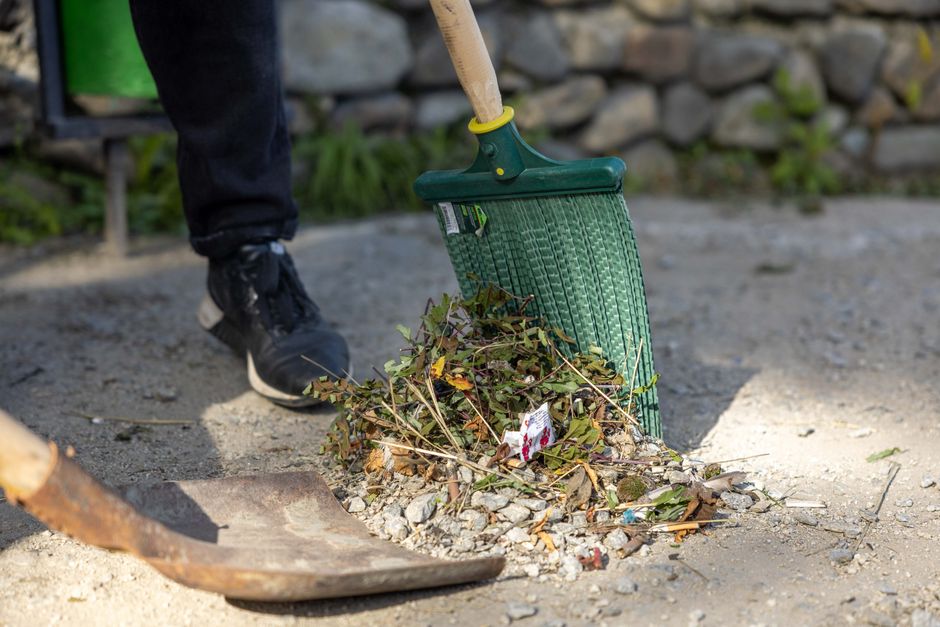
| Rake and hand fork | Separate waste from soil and debris | Lawn tidy-ups and bed clearances |
| Secateurs and hedge trimmer | Produce cleaner cuts and neater waste | Shrubs, hedges, climbers |
| Compost bin or heap | Reduces collection volumes | Healthy organic garden waste |
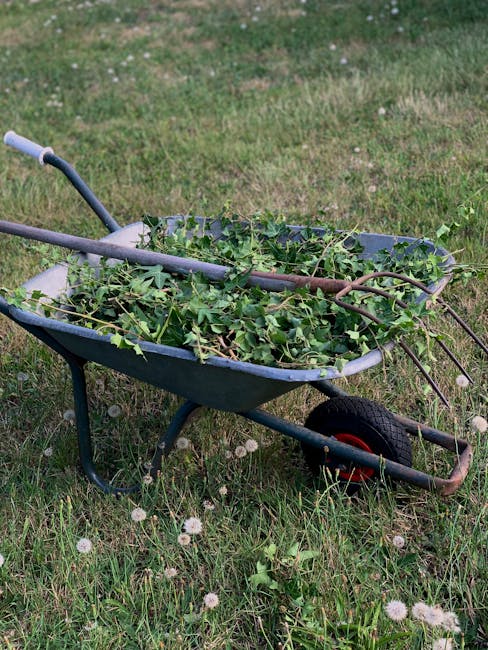
| Wheelbarrow or trug | Makes transport easier on the back | Any larger clearing job |
| Service support | Useful for bigger or recurring jobs | Seasonal maintenance, hedges, clear-outs |
For a practical Greenford garden, service links can be useful where the job is bigger than a one-off tidy. If the work involves branches, shrubs, or trees, tree surgery is relevant. If you are redesigning areas to reduce future waste, landscaping and fencing can help define lower-maintenance boundaries. For patios and hard surfaces that collect leaf litter and moss, patio cleaning is a sensible companion task.
It can also be worth reading about creating nutrient oasis from scraps if you want to use kitchen and garden organic matter together in a composting approach. Just keep the method proper and balanced.
Law, Compliance, Standards, or Best Practice
Garden waste handling is one of those everyday areas where good practice matters more than drama. You do not need to overcomplicate it, but you should treat it as a compliance issue rather than a casual tidy-up if you are putting waste into a council stream or paying for collection.
Best practice in the UK generally means:
- keeping recyclable or compostable garden waste separate from residual waste,
- avoiding contamination with plastics, metals, glass, building debris, and food waste,
- following the latest collection instructions from the local authority or contractor,
- storing waste in a way that is safe for you, the collection team, and neighbours,
- not blocking pavements, gates, or access routes with loose bags or thorny cuttings.
If you employ a gardener or a team, they should also work in line with sensible safety practice. That includes safe lifting, sharp-tool handling, and clear disposal procedures. For more on this side of the job, you can review health and safety policy and insurance and safety. These may sound dry, but they matter when tools, ladders, hedges, and slippery paths all come into play.
It is also good practice to check how changes in service or terms might affect your collection arrangements, especially if you are ordering ongoing work. Documents such as terms and conditions, payment and security, and privacy policy are not glamorous reading, granted, but they can prevent confusion later.
Options, Methods, or Comparison Table
There is more than one way to handle garden waste, and the right option usually depends on the size of your garden, how often you work in it, and whether you enjoy composting or just want the mess gone. Here is a simple comparison.
| Method | Best for | Pros | Limits |
|---|---|---|---|
| Council garden waste collection | Regular household garden waste | Convenient, structured, clean routine | Must follow local rules carefully |
| Home composting | Leaves, grass, soft cuttings | Reduces waste and improves soil | Needs space and a bit of know-how |
| Garden tidy-up service | Large clearances and seasonal jobs | Saves time, handles volume well | Cost depends on scope and removal needs |
| Bag-and-store for later | Small gardens or temporary overflow | Flexible short-term solution | Can become messy if delayed too long |
For many Greenford gardeners, the best approach is mixed. A bit of composting, a bit of collection, and a service for the larger jobs. That balance keeps the garden working for you instead of against you. If you are comparing support options, pricing and quotes can help you think through the cost side without rushing into anything.
Case Study or Real-World Example
Take a typical Greenford rear garden in late spring. The lawn has shot up after a couple of mild, wet weeks. The hedge along the boundary has put on more growth than expected, and the border weeds have popped up almost overnight. Nothing dramatic, just the usual seasonal creep. The homeowner decides to handle everything in one weekend, which sounds efficient until the waste starts spreading across the patio.
Here is what works better. First, the lawn is cut and the clippings are collected separately. Then the hedge is trimmed in stages so the cuttings stay manageable. Next, weeds are pulled while the soil is still slightly damp, which makes them easier to remove. Finally, all reusable organic waste is sorted out, with contaminated bits removed before anything goes into the garden waste stream. The result is less mess, fewer bags, and far less lifting.
There is a calmness to that kind of job. You hear the snip of secateurs, smell the fresh cut grass for a moment, and then the garden starts to look like itself again. Not perfect, just properly cared for. That is usually the goal, after all.
If the hedge work had been too much for one person, a local trimming service would have been a smart backup. You can also use this kind of example when planning future planting. Dense, fast-growing screening may look great, but it creates more waste than a low-maintenance border. For ideas, see effective wind barriers to protect your garden and smart low-maintenance gardening.
Practical Checklist
Use this checklist before your next garden clear-up or collection day.
- Have I separated garden waste from general household rubbish?
- Have I removed plastic, pots, wire, ties, and other contamination?
- Are the bags or bins suitable for the collection method I am using?
- Is the waste dry enough and light enough to handle safely?
- Have I kept heavy soil and rubble out of the load?
- Do I know when the next collection or removal slot is?
- Have I set aside thorny or bulky material for separate handling?
- Do I need composting, collection, or a service for this job?
- Are walkways and access points clear for anyone lifting or collecting the waste?
- Have I planned the job around weather, pets, children, or neighbours?
If you only tick a few boxes, the job still goes better than winging it. Gardens reward a bit of organisation. They really do.
Conclusion
For Greenford gardeners, understanding Ealing Council garden waste rules is less about bureaucracy and more about making your outdoor space manageable. A tidy waste routine keeps your garden easier to maintain, helps you avoid mistakes, and makes bigger seasonal jobs feel much less daunting. Whether you compost at home, use council collection, or bring in professional help for heavier work, the principle stays the same: separate the right material, keep it clean, and plan ahead.
The best gardens are not always the most polished ones. They are the ones that feel looked after, season after season, without turning every trim into a small disaster. Get the waste side right and the rest of the gardening tends to fall into place. That is the quiet win here.
Get a free quote today and see how much you can save.
If you would like help with regular upkeep, seasonal clearances, or more involved work around hedges, lawns, and planting areas, take a look at about us and contact for the next step. A little expert help can take the pressure off, and sometimes that is exactly what a garden needs.
Frequently Asked Questions
What counts as garden waste for Greenford households?
Typical garden waste includes grass cuttings, hedge trimmings, leaves, weeds, small branches, dead plants, and general organic material from routine maintenance. Mixed rubbish, rubble, pots, and other non-organic items usually do not belong in the same stream.
Can I put soil in my garden waste bin?
Usually, soil is treated differently from garden waste because it is heavy and can contaminate the load. If you have excess soil from digging or landscaping, check the local disposal route rather than adding it to green waste by default.
Do I need to remove plant pots and labels first?
Yes, that is best practice. Plastic pots, labels, ties, and tags can contaminate the garden waste stream and may cause a collection issue. It takes a minute to sort them out and saves a lot of trouble later.
Is home composting better than council collection?
It depends on your garden and how much waste you produce. Composting is great for soft organic waste and helps feed the garden, but it needs space and a bit of routine. Council collection is often better for convenience and larger volumes.
What happens if my garden waste is contaminated?
It may be left uncollected, treated as general waste, or otherwise rejected depending on the local arrangement. The safest approach is to keep contamination out from the start, especially plastic and rubble.
How often should I clear garden waste in a typical Greenford garden?
That depends on the season and the size of the garden. In spring and autumn, you may need to clear waste more often because growth and leaf fall ramp up quickly. A little and often approach usually works best.
Can a gardener take away my garden waste for me?
Often, yes, but you should always confirm whether removal is included in the service or priced separately. Some gardeners bag waste on site, some compost it, and some take it away as part of the job.
Are hedge trimmings and grass cuttings handled the same way?
They are both garden waste, but they behave differently. Grass clippings are wet and compact quickly, while hedge trimmings are bulkier and can be awkward to pack. It helps to store them separately if possible.
What is the best way to deal with autumn leaves?
Leaves can be composted if they are clean and suitable, or put into the appropriate garden waste stream. Raking them early keeps paths safer and stops them getting slippery after rain, which is especially useful on shaded drives and side paths.
Should I plan pruning around collection day?
Yes, if you can. It is a small habit, but it keeps waste from sitting around for too long and makes handling easier. Many gardeners find it much less stressful to prune shortly before the next collection or planned removal.
Do these rules matter if I only have a tiny garden?
Absolutely. Small gardens produce less waste overall, but they can still create enough clippings, weeds, and leaves to be annoying if they are not managed well. In fact, tiny spaces often benefit the most from a neat system.
Where can I get help if my garden waste job is bigger than I expected?
If the job has grown arms and legs, that is usually a sign to call in support. Professional garden maintenance, hedge trimming, lawn care, or tree surgery can save you time and reduce the chance of waste handling becoming a bigger problem than the gardening itself.