Greenford Broadway Garden Maintenance Guide for Gardeners
Keeping a garden tidy around Greenford Broadway is not just about making things look nice on a Saturday morning. It is about staying ahead of fast growth, mixed weather, compact outdoor spaces, and the kind of everyday wear that builds up quietly. This Greenford Broadway garden maintenance guide for gardeners brings together practical, local-minded advice so you can manage borders, lawns, hedges, and planting areas with more confidence and less last-minute panic. Whether you are looking after a small front garden, a busy family space, or a longer-term planting scheme, the right routine makes all the difference.
In our experience, the gardens that stay healthiest are rarely the most elaborate ones. They are the ones that get attention at the right moments. A little weeding, a sensible trim, and a seasonal reset can save a lot of work later. Let's face it, nobody enjoys wrestling with an overgrown hedge while the weather turns damp and the bins are already full.
Below, you will find a complete, easy-to-follow guide with maintenance priorities, timing tips, tools, common mistakes, and a few practical ways to decide when a job is worth doing yourself and when it may be better handled professionally.
Table of Contents
- Why Greenford Broadway garden maintenance guide for gardeners Matters
- How Greenford Broadway garden maintenance guide for gardeners Works
- Key Benefits and Practical Advantages
- Who This Is For and When It Makes Sense
- Step-by-Step Guidance
- Expert Tips for Better Results
- Common Mistakes to Avoid
- Tools, Resources and Recommendations
- Law, Compliance, Standards, or Best Practice
- Options, Methods, or Comparison Table
- Case Study or Real-World Example
- Practical Checklist
- Conclusion
- Frequently Asked Questions
Why Greenford Broadway garden maintenance guide for gardeners Matters
Greenford Broadway gardens tend to face a familiar mix of pressures: foot traffic near front boundaries, variable shade from nearby buildings or fences, seasonal debris, and plants that can shoot up faster than expected after a spell of rain. That combination means maintenance is not optional if you want the space to stay attractive, safe, and manageable.
For gardeners, maintenance is the difference between working with a garden and constantly catching up with it. A well-kept space also makes it easier to spot disease, broken stems, drainage issues, and pests before they spread. A half-hour spent checking beds can prevent a much larger job later. That sounds obvious, but in real life it is often the overlooked stuff that causes the mess.
There is also a presentation side to it. A sharp lawn edge, healthy hedge line, and weed-free path immediately make a property feel cared for. If you are supporting a client or managing a home garden, that first impression matters. A tidy exterior often changes how people feel before they even step inside.
For local gardeners, another reason this matters is resilience. The UK climate can be a bit of a mixed bag, and Greenford is no exception. Heavy rain, dry spells, wind, and sudden cold snaps can all test the same planting scheme within a few months. A maintenance routine helps the garden recover faster and stay balanced through those shifts.
How Greenford Broadway garden maintenance guide for gardeners Works
A solid maintenance plan works by dividing the garden into repeatable tasks and sensible intervals. Instead of treating the whole space as one giant job, you look at what needs attention weekly, monthly, seasonally, and occasionally. That alone makes the work feel more manageable.
Think in layers:
- Surface care: mowing, sweeping, deadheading, weeding, and clearing debris.
- Plant health: watering, feeding, pruning, mulching, and checking for stress.
- Structure: hedge lines, fences, edging, patio surfaces, and trees.
- Seasonal resets: cutting back, winter preparation, spring refreshes, and post-storm inspections.
In practice, you may also need to adjust for garden type. A compact urban plot, for example, often benefits from more frequent light maintenance, while a larger garden may need fewer visits but more time on each visit. Container beds, shaded corners, and mixed borders all have their own rhythm too.
A good maintenance cycle usually starts with observation. Before reaching for the trimmer or mower, walk the garden slowly. What is overgrown? What looks weak? Where is water pooling? Which areas are being ignored? You will notice that the garden often tells you what it needs if you give it five quiet minutes.
If you are looking for broader support, it can help to compare maintenance with other related services such as garden maintenance, lawn care, or hedge trimming in Greenford. Different tasks overlap, but the right service mix depends on the site, the season, and how much time you realistically have.
Key Benefits and Practical Advantages
Good garden maintenance gives you more than a neat appearance. It creates a healthier working environment for the plants and a simpler life for the gardener. A lot of people underestimate that second part, to be fair.
- Better plant health: removing dead growth and checking moisture levels helps plants direct energy where it matters.
- Lower weed pressure: once weeds settle in, they compete for water and nutrients fast.
- Improved safety: clear paths, trimmed growth, and tidy edges reduce trip hazards and blocked access.
- More usable outdoor space: a maintained garden feels easier to enjoy, not just easier to look at.
- Reduced long-term cost: small jobs done early are usually cheaper than a full recovery later.
- Stronger seasonal resilience: healthy soil, mulch, and regular checks help plants cope better with stress.
There is also a psychological benefit. A garden that feels under control tends to encourage more use. People sit outside more, children play more, pets move around more safely, and the whole space gets looked after because it is being lived in rather than avoided.
In urban or semi-urban gardens, smart maintenance can also make a small plot feel much bigger. Clean lines, balanced planting, and uncluttered edges create breathing room. That is where ideas from low-maintenance gardening on a budget and ground cover planting can really pull their weight.
Who This Is For and When It Makes Sense
This guide is useful for anyone responsible for a garden near Greenford Broadway, but it especially suits people who need a practical routine rather than an idealised one. That includes homeowners, landlords, tenants with private outdoor space, busy families, older gardeners who want lighter upkeep, and people managing rental or shared properties.
It also makes sense if you are in one of these situations:
- the garden has become patchy, untidy, or difficult to keep on top of
- hedges, shrubs, or trees are starting to block light or pathways
- the lawn is thinning, mossy, or uneven
- weeds are returning faster than you can remove them
- you want the garden to be safer for children or dogs
- you are preparing a property for sale, rental, or regular use
If you are a more experienced gardener, you may not need the basics, but even seasoned hands benefit from a structured reset. Most gardens do not fail because of one huge mistake. They drift because of lots of small delays. One missed cut, one skipped weed pass, one ignored corner. Then suddenly the space feels like work again.
For people starting out, the best move is to keep the routine simple and repeatable. If you are completely new to the process, you may also find our beginner gardening tips useful alongside this guide.
Step-by-Step Guidance
Here is a practical maintenance sequence you can use through most of the year. It is not fancy, but it works.
1. Start with a slow garden walk
Before cutting or clearing anything, inspect the space. Look for overgrowth, broken branches, standing water, diseased leaves, slippery paving, and any areas where plants are crowding each other. A quick walk is fine, but a proper look is better.
2. Clear obvious debris
Remove fallen leaves, twigs, dead stems, and general clutter. This improves airflow, reduces hiding spots for pests, and makes the rest of the work easier. You do not need a spotless finish every time. Just get it breathable.
3. Tackle weeds before they seed
Weed control is best done early and often. Pull annual weeds by hand when soil is moist, and remove perennial weeds as thoroughly as you can, roots and all. For more focused advice, see these weed control suggestions. The big idea here is consistency. A few minutes now beats hours later.
4. Check the lawn
If there is grass in the garden, assess the cut height, colour, thickness, and moisture level. Scalp it too hard and it weakens. Leave it too long and it can smother itself. A balanced mow, plus edging and occasional feeding, usually keeps it in decent shape. If that sounds like your weak spot, the dedicated lawn mowing and lawn care pages are worth a look.
5. Prune and shape selectively
Pruning is not about cutting everything down. It is about improving shape, controlling size, and removing poor growth. Hedges, shrubs, climbers, and small trees all need different handling. If hedges are part of the job, it can be helpful to cross-check with hedge shaping techniques or the Greenford-specific hedge trimming service.
6. Feed, mulch, and water with purpose
Watering without a plan wastes effort. The goal is to encourage roots to grow down, not sit shallow and lazy. Mulch helps lock in moisture and suppress weeds, while feeding supports growth during active periods. Use compost, leaf mould, or a suitable plant feed based on what you are growing. If your beds look tired, this step often brings them back faster than people expect.
7. Review boundary and hardscape areas
Paths, patios, fences, decking, and edges often reveal the real state of a garden. Dirty paving makes everything look older than it is, and a sagging fence line can make even healthy planting feel messy. If needed, refer to patio cleaning, decking services, or fencing for support where maintenance goes beyond planting.
8. Finish with a reset
Step back and check the result from the main view points: the gate, the path, the window, or the seating area. A garden can be technically tidy and still feel off-balance. That last look catches the little things. A pot out of place. A hedge leaning too far. A corner that needs light. Simple, but surprisingly important.
Expert Tips for Better Results
Here are the kinds of habits that separate decent maintenance from genuinely good maintenance. Nothing dramatic. Just the small stuff done better.
- Prune with a reason: cut for shape, health, airflow, or size control. If you cannot explain why you are cutting, pause.
- Keep tools sharp and clean: blunt blades tear stems and increase stress. A quick clean after use helps prevent disease spread.
- Work in dry windows where possible: wet foliage, muddy paths, and slippery decking make maintenance slower and riskier.
- Use ground cover where weeding is never-ending: some areas simply suit low, spreading planting better than bare soil.
- Protect exposed gardens: if wind is a real issue, consider practical shelter ideas like those covered in effective wind barriers.
- Plan for the next season while you work: if a bed is struggling in shade, check out evergreen climbers for shady areas for future structure.
A useful rule of thumb: the more visible the space, the more precise the maintenance should be. Front gardens and entrance areas need crisp edges. Rear gardens can be a little looser, especially if the style is relaxed or wildlife-friendly. That is not being lazy. It is design judgement.
One more thing. Do not overwork the soil just because you are there. Repeated turning, stamping, and digging in the same place can do more harm than good. Gentle, targeted work is usually enough.
Common Mistakes to Avoid
Most maintenance problems come from timing, not effort. People do lots of work and still end up with a garden that feels off because the wrong task was done at the wrong time.
- Cutting too much at once: especially with hedges, shrubs, and lawns. Heavy cuts can shock plants.
- Ignoring edges and corners: these are the places where mess quietly accumulates.
- Overwatering: damp soil does not automatically mean healthy soil.
- Leaving diseased material in place: remove it carefully rather than composting it if you are unsure.
- Using the wrong tool: a job gets slower and messier when the tool does not suit the plant or surface.
- Waiting for a perfect weather day: honestly, if you wait for perfect, you may never start.
Another common issue is trying to maintain every part of the garden at the same intensity. A herb patch, a lawn, a mature hedge, and a patio each need a different rhythm. They are not all the same, and treating them that way usually leads to either waste or damage.
It also helps to avoid the "all at once" mindset. A quick tidy every week tends to beat one heroic day of chaos every month. Your back will thank you too, which is nice.
Tools, Resources and Recommendations
You do not need a shed full of specialist equipment to maintain a garden well. In fact, a smaller, reliable toolkit often works better because it gets used properly. Our essential gardener's toolkit guide goes deeper, but the basics usually include the following:
- sturdy gloves
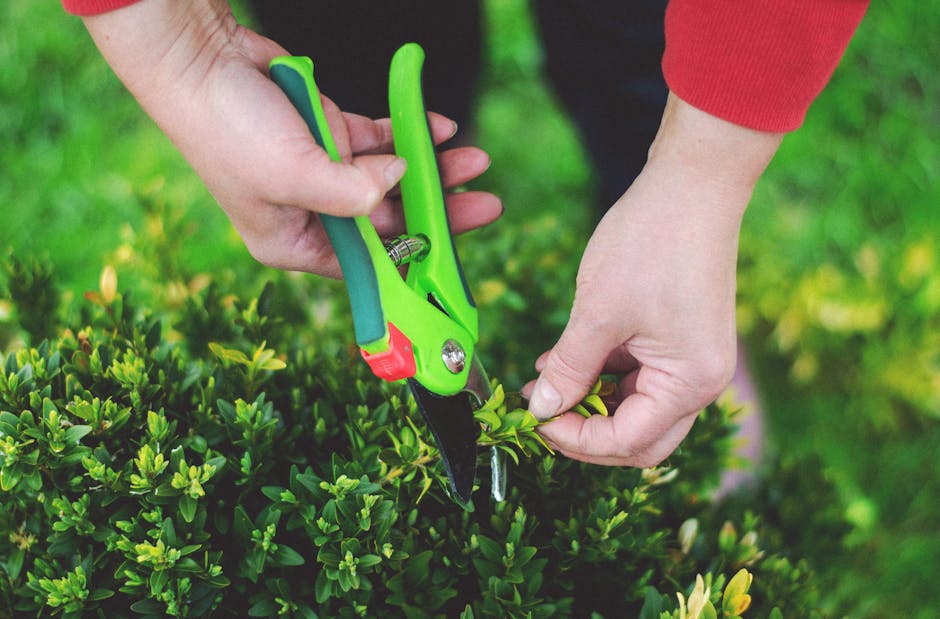
- secateurs or hand pruners
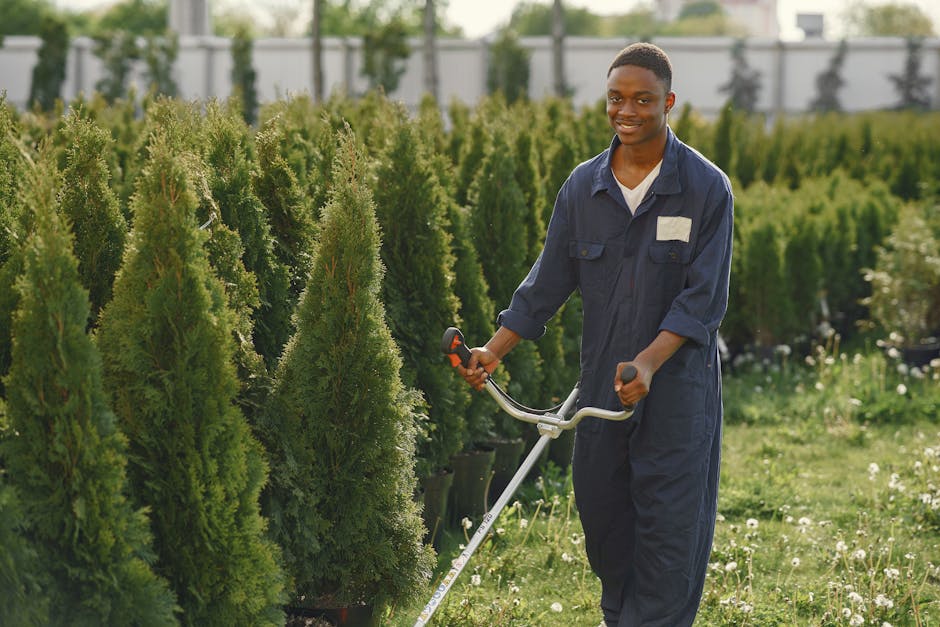
- a hedge trimmer for larger shaping jobs
- a mower suited to the lawn size
- a rake and hand fork
- a watering can or hose setup
- weed puller or weeding knife
- bucket or trug for carrying cuttings
For specific garden types, different resources may help more. If the garden is compact or partly paved, container gardening for urban living and vertical gardening can make maintenance simpler while still keeping the space green.
If the aim is to reduce workload rather than increase planting, look into low-maintenance gardening on a budget. It is often more useful than trying to force a high-input style into a garden that simply does not suit it.
For those who like a calmer outdoor feel, zen garden ideas and practical seating ideas can be paired with maintenance planning so the space feels usable, not just maintained.
Law, Compliance, Standards, or Best Practice
For most domestic gardens, maintenance is guided more by good practice than by complex regulation. Still, there are a few sensible points to keep in mind, especially around safety, neighbour relations, and plant management.
First, be careful with anything that affects boundaries or shared areas. Overhanging branches, encroaching roots, and hedge growth near fences can become awkward if left too long. It is usually better to address these issues early and respectfully rather than wait for a dispute. The same goes for trees near structures: when a job may affect stability, access, or safety, it is wise to treat it as more than a quick trim. That is where professional tree surgery can be the safer route.
Second, use safe working habits. That includes PPE where appropriate, secure ladder use, sensible lifting, and keeping children or pets away from tools and moving equipment. If a task feels awkward, rushed, or physically risky, slow down. There is no prize for doing a dangerous job in one go.
For service expectations, reputable work usually includes clear communication, a tidy finish, responsible waste handling, and transparent pricing. If you are comparing options, reviewing pricing and quotes alongside health and safety policy and insurance and safety information can help you choose with more confidence.
And if something does go wrong in a service experience, it is useful to know there is a complaints procedure. That kind of clarity builds trust, plain and simple.
Options, Methods, or Comparison Table
Different gardens need different maintenance approaches. Some are better with regular light-touch care, while others need a heavier seasonal reset. The table below shows how the main approaches usually compare.
| Method | Best for | Pros | Trade-offs |
|---|---|---|---|
| Weekly light maintenance | Front gardens, lawns, small borders, busy homes | Keeps the garden tidy, stops problems early, easier to manage | Needs regular attention, even when you are busy |
| Monthly structured maintenance | Medium gardens, mixed planting, lower-use spaces | Good balance of effort and results | Minor issues can build up between visits |
| Seasonal deep maintenance | Established gardens with slower growth or limited use | Efficient for larger jobs and resets | Can feel overwhelming if problems stack up |
| Professional support for specific tasks | Hedges, trees, lawns, hard landscaping, or time-poor households | Faster, safer for harder jobs, often a better finish | Less hands-on control, cost varies by scope |
For many people, the smartest approach is a hybrid one. Do the routine tasks yourself, and bring in help when the job becomes technical, time-consuming, or physically awkward. That is often the sweet spot.
If the garden is being redesigned as part of the maintenance plan, broader landscaping may be useful too. And if the boundaries are tired or patchy, fencing solutions can transform the feel of the space just as much as planting can.
Case Study or Real-World Example
Here is a realistic example. A small front-and-rear garden near Greenford Broadway had the usual combination of issues: a lawn that was thinning at the edges, a hedge that had grown unevenly after a wet spring, weeds in the path joints, and one shady border that looked patchy no matter what was planted there.
The first step was simple: remove debris, tidy the borders, and cut the lawn at a sensible height. After that, the hedge was reduced gradually rather than heavily in one go, so the shape improved without leaving bare gaps. The path was cleaned and the weeds were removed at the roots where possible. In the shady border, the planting was adjusted so the space worked with the conditions instead of fighting them. That meant favouring tougher structure and understory planting rather than sun-loving choices that kept sulking.
The change was not dramatic in a glossy, magazine sense. It was better than that. It became manageable. The owner could see the soil, see the edges, and keep the place tidy without needing a whole weekend every time. That is usually the real goal, isn't it?
For a similar approach to difficult planting areas, the article on transforming overgrown spaces into dream gardens offers useful inspiration. If pets are part of the picture, the advice on creating a garden that is a haven for dogs is also worth keeping in mind when planning paths, surfaces, and planting choices.
Practical Checklist
Use this checklist for a simple maintenance pass. It works well as a weekly or fortnightly reset, depending on the season.
- Inspect the garden for overgrowth, broken stems, and visible pests
- Remove litter, leaves, and loose debris from paths and beds
- Weed borders, paving joints, and around containers
- Mow the lawn if needed and tidy the edges
- Trim hedges or shrubs only where growth is clearly out of shape
- Water deeply if conditions are dry, especially newly planted areas
- Check mulch levels and top up where soil is exposed
- Look for drainage issues or areas that stay soggy after rain
- Clean patio or decking surfaces if they are slippery or marked
- Remove anything dead, diseased, or likely to spread problems
- Step back and check the overall balance of the space
Expert summary: The best garden maintenance is steady, not heroic. Small, regular actions keep the space healthier, safer, and easier to enjoy than rare deep-clean sessions ever will.
If you want to move from the "I keep meaning to sort that" stage to a proper routine, start with one repeatable job each visit. Mow, weed, trim, inspect. Then build from there. It sounds almost too simple, but that is often why it works.
Conclusion
A well-kept garden around Greenford Broadway does not happen by accident. It comes from a steady rhythm of observation, trimming, clearing, and seasonal adjustment. The good news is that you do not need to do everything at once. If you focus on the highest-impact tasks first, the garden quickly starts to feel easier again.
Use this guide to shape a practical routine, keep an eye on the details, and make decisions based on what the garden actually needs. That is the real skill in maintenance: not doing more, but doing the right things at the right time. And once the space starts working with you, rather than against you, the whole place feels lighter.
If you are ready to compare options for ongoing support, services, or a one-off tidy-up, take a look at gardening services and learn more about the team on about us. A quick conversation can save a lot of guesswork later.
Get a free quote today and see how much you can save.
And if all you do this week is clear the edges, pull a few weeds, and step back for a proper look, that is still a solid win.
Frequently Asked Questions
What does garden maintenance usually include in Greenford Broadway?
It usually includes mowing, edging, weeding, hedge trimming, pruning, clearing debris, checking plant health, and keeping paths or patios tidy. Some gardens also need occasional tree, fence, or decking attention.
How often should a garden be maintained?
Most gardens benefit from light weekly or fortnightly attention, with deeper seasonal work as needed. Lawns, hedges, and fast-growing borders usually need more regular checks than low-maintenance planting schemes.
Can I keep a garden low maintenance without making it look bare?
Yes. The trick is using the right planting structure, mulching well, choosing tough plants for the conditions, and reducing high-work features. Ground cover, containers, and carefully selected shrubs can keep things full without constant upkeep.
What is the biggest mistake gardeners make with maintenance?
Leaving jobs until they become large. A hedge allowed to get too big, or weeds left to seed, almost always creates extra work later. Small, regular maintenance is usually far easier.
Do I need professional help for hedge trimming?
Not always, but larger hedges, awkward access, and high or dense growth can be difficult to handle safely. If the hedge is shaping badly or getting too tall, professional help can be the safer and cleaner option.
How do I know if my lawn needs proper care rather than just a mow?
If the grass is thinning, patchy, mossy, or uneven, it likely needs more than cutting. Aeration, feeding, scarifying, watering, and regular edging may all help restore it.
Is patio cleaning part of garden maintenance?
Often, yes. A clean patio makes the whole garden feel better maintained, and it can also improve safety by reducing slippery algae or grime.
What should I do before winter?
Remove dead growth, protect tender plants, reduce waterlogging where possible, check supports, and tidy up fallen leaves. For more seasonal detail, the winterizing garden tips guide is useful.
Are there garden maintenance options for dog-friendly spaces?
Yes. You can choose tougher ground cover, safer paths, non-toxic planting choices where possible, and layouts that leave open routes for movement. Maintenance matters here because worn patches and muddy corners become a nuisance quickly.
How can I tell whether I need garden maintenance or landscaping?
If the garden mainly needs upkeep, maintenance is the right fit. If the layout, surfaces, boundaries, or planting structure need redesigning, landscaping may be more appropriate. Many gardens need a bit of both, especially after years of patchy care.
What should I ask for when requesting a quote?
Be clear about the size of the garden, what needs doing, how often you want work carried out, and whether there are any safety concerns or access issues. That helps make quotes more accurate and avoids misunderstandings.
Can maintenance help a shady or awkward garden feel better?
Absolutely. Shady gardens often improve when the right plants are chosen and overgrowth is managed properly. You can also look at structural planting, climbers, and more suitable ground cover rather than forcing the space into a sunny-garden style.